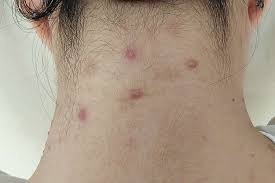
Acne Neck is a skin disorder involving the presence of pimps, inflamed papules, whiteheads, blackheads, or cysts in the front, sides, or the back of the neck. While the face is the first location that people link with acne development, the neck is also covered with sebaceous glands that produce excessive oil. Moreover, the skin in the neck area has to deal with continuous friction from collars, scarves, jewelry, and hair styling products leading to blocked pores.
Some people have both facial and neck acnes, while for other individuals, it is possible to develop only acne in the neck area. Acne on the neck might be manifested through a few small pimples to painful cysts, resulting in scars and hyperpigmentation of the skin. It is important to understand the reasons for neck acnes as the methods of treatment depend on the causes.
Recent studies in dermatology suggest that acnes continue to be one of the most popular skin diseases around the world. The specialists state that about 50 million Americans suffer from acne each year, and more than 85% of teenagers experience acnes in their teenage years.
How Common Is Acne on the Neck?
Neck pimples are quite common but not as much known about them. Neck acne appears along with facial and acne on the chest, shoulders, and upper part of the back. As dermatologists point out, the neck is very sensitive since it is easy for sweat, bacteria, dead skin cells, and sebum to settle there.
Pimples appear quite often on the necks of sportsmen, people living in humid regions, and wearing tight collars or uniforms. Women could see pimples appearing around their jawlines and necks during menstruation period, pregnancy, and other times of hormonal changes. Men could also suffer from acne on the neck caused by shaving irritation or caught hair.
Unlike a temporary rash, neck pimples would appear again and again without treating the cause. Think of your pores as a system of tiny tubes. When all sorts of debris block the entrance, pressure develops inside and leads to inflammatory spots under the skin. This process could continue unless properly taken care of.
What Does Acne on Neck Meaning Indicate?
Differences Between Neck Acne and Facial Acne
Many people look up the causes of acne on the neck as they try to find out if there is something wrong internally. Typically, acne occurs due to the same reasons that cause pimples to appear on your face – clogged pores caused by excessive sebum and bacteria formation.
Nevertheless, there are some slight differences between these conditions. The face comes into constant contact with air pollution, makeup, and even frequent touches. The skin on your neck is subjected to friction against clothes and hair care products.
Sometimes, the location of the breakouts can reveal the reason behind them. Jawline acne and neck acne are often associated with hormonal changes in adults. Acne appearing on the back of the neck is caused by sweat during physical exercises or wearing protective helmets and other equipment.
Painful and recurring nodules should be checked out because they might not be acne. Folliculitis or ingrown hairs could be mistaken for acne.
Is Neck Acne a Sign of Hormonal Imbalance?
Role of hormones in the regulation of sebum production is also an important aspect. High levels of androgen cause stimulation of sebaceous glands, which leads to excessive production of sebum. This excess sebum along with dead skin cells and bacteria causes clogging of follicles.
Hormonal acne is likely to flare up before periods, during pregnancy, and when one reaches menopause. People suffering from hormonal imbalance also suffer from breakouts in the neck area and lower part of the face.
It should be noted that each pimple on the neck doesn’t necessarily mean hormonal issue. Stress, poor skin care routine, diet, and even some medication can provoke such a reaction. It is always better to consider the entire picture rather than focusing on one blemish.
Major Neck Acne Causes
Excess Oil Production
The excessive secretion of sebum is one of the main causes of neck acne. Sebaceous glands are designed to moisturize the skin and protect it from external irritations; but the trouble comes when these glands become overly active.
Often the oiliness of the skin is hereditary. People whose relatives have suffered from chronic acne might be more vulnerable to getting it too. The combination of extra sebum and dry skin creates an optimal condition for the bacteria to multiply.
People with oily skin usually notice that their neck looks greasy at the end of the day. Poor skin care can clog the pores and cause irritation. High temperature and humidity levels also tend to make the skin produce more sebum.
Hormonal Fluctuations
Hormones are essential in almost all aspects of acne formation. They are responsible for the increase in sebaceous gland size and sebum formation.
Examples of common hormonal causes are as follows:
- Puberty
- Menstruation
- Pregnancy
- Menopause
- Polycystic ovarian disease
- Stress hormones
Stress should be mentioned especially because high levels of stress result in an increase in cortisol. This, in turn, stimulates sebum formation, causing the acne to become more inflamed.
Friction, Sweat, and Clothing
The mechanical stimulation is one of the major causes of neck acne because tight collars, turtlenecks, scarfs, backpacks, and athletic gear cause constant irritation.
Bacteria and dead cells become trapped by sweat underneath clothing. Sometimes it is called acne mechanica. People who work out and athletes are particularly prone to this kind of acne since sweat stays on their skin for a long time.
Putting on fresh clothes and taking showers right after working out prevents the occurrence of acne. It is recommended to wear comfortable clothes made from cotton.
Hair Care Products and Cosmetic Build-Up
Hair products usually get neglected more often than they should. Conditioners, oils, pomades, and even leave-ins may find their way to the neck over time.
Formulations with ingredients such as mineral oil, lanolin, or specific siloxanes can clog pores for those who are prone to that. Fragrances used on the neck can cause skin irritation.
It may help to check the ingredients and choose non-comedogenic products. Keeping long hair clean and away from the neck during sleep can also help.
Symptoms of Acne on Neck
Mild Symptoms
The first indications of acne in the neck usually appear slowly, and small nodules appear under the skin, feeling rather rough to the touch.
Mild symptoms include the following:
| Symptom | Description |
|---|---|
| Whiteheads | Closed clogged pores |
| Blackheads | Open pores containing oxidized debris |
| Slight redness | Mild inflammation around follicles |
| Tenderness | Minor discomfort when touched |
Blemishes seldom leave scars if treated in time. Mild forms can be successfully handled by gentle cleaning and use of topical products in just a few weeks.
Severe Symptoms
Neck acne is more than just an aesthetic problem. The inflammation occurs in deeper layers of the skin and may be very painful.
Signs of severe acne include:
- Big red bumps
- Pus-filled eruptions
- Swelling
- Hyperpigmentation after the lesion heals
- Scarring
- Psychological issues and low self-esteem
Acne is known to cause poor self-image and negative influence on quality of life, especially in teenage years and early adulthood.
Types of Neck Acne
Whiteheads and Blackheads
Whiteheads form when pores are closed; hence, they keep oil and dead skin cells inside. Blackheads are formed when the opening of the follicle is left open; hence, the contents undergo oxidization.
This type of acne is called non-inflammatory acne and it responds well to salicylic acid washes and retinoid creams. Squeezing them seems to be an option, but it usually pushes the material deep into the skin.
Papules, Pustules, and Cysts
Papules are small red bumps that lack pus. Pustules are just like normal pimples but have a white dot surrounded by inflammation.
Cystic acne refers to the worst-case scenario. The lesions appear deeply within the skin and can last for weeks or even months, often resulting in scars if not treated.
Dermatologists recommend seeking professional advice regarding cystic acne, as over-the-counter medication is not usually enough.
Effective Neck Acne Treatment Options
Over-the-Counter Treatments
Finding the right neck acne treatment often feels like solving a puzzle. The good news is that many mild and moderate cases respond to accessible skincare ingredients.
Dermatologists commonly recommend:
| Ingredient | Benefits |
|---|---|
| Salicylic Acid | Removes dead skin cells |
| Benzoyl Peroxide | Reduces acne-causing bacteria |
| Adapalene | Prevents clogged pores |
| Niacinamide | Calms inflammation |
| Glycolic Acid | Improves skin texture |
New directions in the treatment of acne emphasize the continued efficacy of such agents as benzoyl peroxide, topical retinoids, and salicylic acid for initial treatment.
Consistency, rather than potency, is key. Using multiple harsh treatments at the same time can damage the skin barrier and cause irritation. Using each treatment separately allows the skin time to adjust.
Prescription Medications
Acne that is chronic and severe could need prescription medication. A dermatologist develops a treatment regimen considering the extent of the condition, hormone-related factors, and the skin sensitivity of the patient.
Prescription medications include:
- Antibiotics used topically
- Oral antibiotics
- Hormonal drugs
- Prescribed retinoids
- Isotretinoin taken orally
Hormone-based therapy can be beneficial for women who experience different levels of acne depending on the menstrual cycle. Orally taken isotretinoin has been one of the most powerful treatment options for cystic acne.
Professional Dermatological Procedures
Professionally administered methods provide additional alternatives to treatment.
Popular office-based procedures consist of:
- Chemical peeling
- Laser treatment
- Blue-light therapy
- Cortisone shots
- Microneedling for acne scars
Chemical peeling exfoliates the damaged skin and encourages cell renewal. Laser treatment tackles inflammation and triggers collagen production, thus addressing active acne and scars left behind from the condition.
Even though such methods provide outstanding results, their effectiveness is maximized with the help of a home-based skincare routine.
Lifestyle Changes to Prevent Neck Acne
It’s much easier to prevent acne than to treat it. Small changes in your daily routine make a huge difference eventually.
Gently wash your neck twice per day using a cleanser. Don’t scrub the area aggressively, so you won’t irritate it and cause inflammation. Take a shower right after exercising to wash off bacteria and sweat.
Change your pillow cases every couple of days to decrease the amount of interaction with the oils collected there. It’s better to wear comfortable clothes that will not cause any friction.
Some people find dieting affects the appearance of acne on their skin. The studies are still being done, but decreasing the number of highly processed foods and drinks might be helpful. Staying hydrated and eating fruits and vegetables rich in antioxidants is useful for your skin.
Take care of your skin like gardening. Plants need to be watered and have enough sunlight. So do healthy skin.
When Should You Visit a Dermatologist?
While some cases of mild neck acne are treatable through OTC products and better skincare, there are particular warning signs that warrant dermatological consultation.
See a dermatologist if:
- You have had acne for more than three months
- Painful cysts keep occurring
- You experience scarring
- Your dark spots won’t fade
- OTC medications don’t work
- You find that the acne is affecting your emotions
Licensed dermatologists can ascertain whether or not the skin lesions are actual acne or a different skin condition altogether. Early detection usually helps avoid future frustration and expenses on ineffectual products.
Conclusion
Acne on the neck area is frustrating and difficult to hide, but it can be easily managed. This is possible if you understand different triggers that lead to the formation of acne on the neck area, detect its signs and use effective treatment options.
Regardless of whether your acne comes about due to hormonal changes, friction, too much sweat or pore-blocking hair products, determining what leads to the development of acne is the first thing that needs to be done to have better skin.
For mild acne, treatment using products such as salicylic acid, benzoyl peroxide, and retinoids work well, whereas for severe cystic acne, prescription medicine will be necessary.
Patience is one of the most crucial things when it comes to acne treatment.
FAQs
What causes neck acne?
Some of the leading causes include increased sebum production, hormonal changes, sweating, rubbing by clothes, and using skin and hair care products that clog pores.
Does stress cause neck acne?
Yes. Increased cortisol levels due to stress might lead to increased sebum production and aggravation of acne problems.
How long does neck acne treatment take to work?
The vast majority of OTC medications usually take about six to eight weeks to start working.
Is neck acne contagious?
No. Neck acne is not contagious as it is not caused by any bacteria or viruses.
Should I pop my pimple on my neck?
No. The popping process can increase inflammation and lead to scarring.