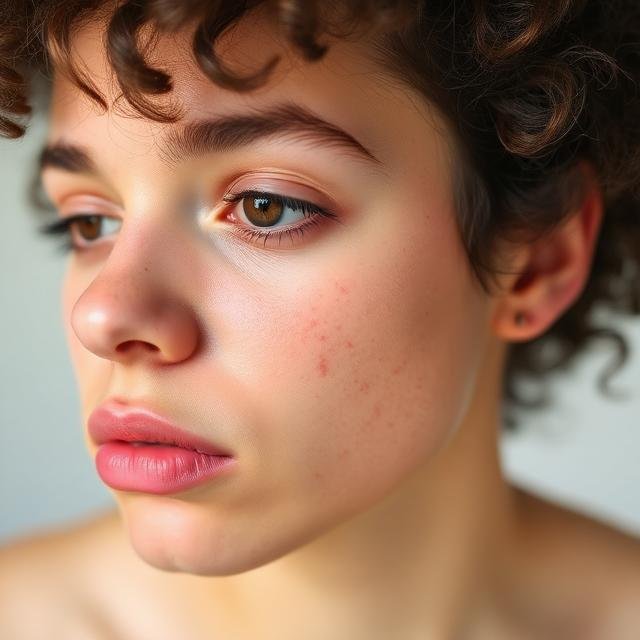
Acne often pops up when you least expect it. Before a crucial meeting, a marriage, or a social event, acne can suddenly appear. People wonder why this is happening. Many believe that all forms of acne happen due to hormonal changes. The causes, however, are a bit more complicated. Bacterial acne results from multiplying bacteria present in the skin in clogged hair follicles and leads to swelling and pimples. The process of identifying what exactly caused each break out is the first step towards consistently clear skin.
Research shows that Cutibacterium acnes (which used to be known as Propionibacterium acnes) is one of the major microbes contributing to acne. It is worth mentioning that the bacteria mentioned above exist on the skin normally but without causing any harm. The problem starts when the bacteria get trapped in pores together with extra oil, dead skin cells, and other elements. There are many cases of acne around the world as almost 650 million people suffer from it.
What Is Bacterial Acne?
Many people think of the phrase “bacterial acne” as being infected by something. But it should be noted that acne itself is considered non-contagious. Bacterial acne develops due to disruption of natural microbial balance on the skin. As soon as the pores get clogged with sebum and dead cells, the bacteria begin to multiply actively in such a confined space. And the immune system perceives it as a danger and starts reacting with redness, swelling, and suppuration.
In contrast to isolated pimple caused by temporary irritation, bacterial acne usually appears in groups of inflammatory spots that persist for weeks or even months. They appear in young people during their puberty period, in stressed adults, or in people who observe impeccable hygiene regime. Now dermatologists understand that bacterial processes act together with sebum hypersecretion, keratinization disorders, and inflammation leading to the appearance of acne spots.
Understanding the Role of Skin Bacteria
Your skin hosts billions of microorganisms that create a protective system referred to as microbiome. Cutibacterium acnes is one of the most predominant microorganisms residing in your skin’s ecosystem. This bacterium favors areas rich in oil like the forehead, nose, cheeks, shoulders, and back. Under normal circumstances, the microorganism plays a significant role in maintaining homeostasis in the skin as well as competing against other harmful bacteria.
Problems start to occur in case of increased sebum production. Sebum is what feeds the bacteria living in the area while releasing enzymes responsible for hydrolyzing fatty acids that lead to irritation and inflammation. Scientists have proven that there exist different strains of C. acnes with varying levels of inflammation.
Is Bacterial Acne Different from Regular Acne?
The term bacterial acne can be often confused with inflammatory acne since bacteria plays a major role in causing acne. However, acne has several contributing factors like hormones, genetics, cell turnover and immune reactions.
Ordinary acne contains non-inflammatory spots like comedones and cysts. On the other hand, bacterial acne has pustules which are inflammatory in nature. Such spots are painful when touched and will leave dark spots if constantly disturbed. Such awareness helps people choose the right treatment for their problems instead of just drying the skin.
Types of Bacterial Acne Lesions
There are different types of bacterial acne depending on the level of the inflammation and the extent to which the pores get blocked. While some lesions are close to the surface of the skin, there are those that go deep into the skin and cause pain.
Whiteheads and Blackheads
A whitehead appears in a situation where the pore is fully blocked by sebum and dead cells and thus cannot come into contact with air. The trapped matter becomes either white or flesh-colored. Blackheads occur when the pores are partly blocked. When the pores are exposed to oxygen, oxidation occurs and thus they turn black in color.
These lesions are not necessarily inflammatory but create an environment for bacteria to flourish.
Papules, Pustules, and Nodules
Papules are small reddened spots without any signs of pus. Papules occur when there is a rupture in the follicular wall resulting in inflammation. Pustules look like papules, but they contain pus in the middle part of the lesions.
The nodules indicate a more serious condition of bacterial acne. They are deep, large and painful bumps that appear under the skin and take several months to heal. Because of their tendency to result in scars, medical attention should be sought.
What Causes Bacterial Acne?
One is always wondering about the reasons for bacteria acne because each person is prone to skin bacteria. In fact, there are many internal and external causes that make an individual suffer from the disruption of skin homeostasis.
Overproduction of Sebum
The function of sebaceous glands is to produce sebum and protect skin cells from harmful effects. During puberty, monthly cycle, pregnancy or during stressful periods, androgens start producing excess amounts of sebum.
Overproduced sebum mixed with dead skin cells leads to the formation of plugs in hair follicles. It looks like closed bottles, where bacteria can multiply rather quickly. The longer a plug remains in place, the more likely inflammation will occur.
Hormonal Changes and Blocked Pores
Hormones cause bacteria acne indirectly by increasing sebum secretion. The problems like polycystic ovary syndrome, menstruation problems, and hormonal changes in menopause can result in the appearance of spots on your skin.
Moreover, thick make-up products, comedogenic creams, and inadequate cleaning habits cause blocked pores. Wearing helmets, masks, and clothes for a long time lead to friction between them and the skin, thus trapping sweat and sebum.
Bad Skin Care Regime and Environmental Factors
There are certain routines that people perform subconsciously that might worsen their acne.
They include the following:
- Not washing makeup off before sleeping
- Touching face often
- Wearing unclean pillow covers
- Sharing makeup brushes
- Scrubbing face too much
Pollution and humid weather conditions might cause bacteria growth because of sweat production.
Acne Bacteria vs. Hormonal Acne
One of the questions frequently asked online is about how to differentiate between bacterial and hormonal acne. It is important because the treatment of each type of this condition is different. There are certain symptoms that can help distinguish them from each other.
Key Difference in Looks
Hormonal acne is characterized by large cystic blemishes appearing mostly on the chin, jaw line, and cheeks. Outbreaks usually occur in connection with the menstrual cycle and the hormonal changes associated with it.
On the contrary, bacterial acne appears on the areas where there is plenty of sebum like forehead, nose, chest, and upper back. Pimples include pustules, papules, whiteheads, and blackheads.
Signs That Indicate That the Acne Is Hormonal or Bacterial
The following signs may indicate that the acne is hormonal or bacterial:
- Is the breakout connected with the menstrual cycle?
- Are the pimples deep and tender?
- Is the breakout located near the jaw line?
Yes to all these questions means that hormones play a role in this process.
However, the appearance of widespread inflamed pimples with lots of whiteheads and pustules indicates that bacteria cause the problem. People with always oily skin are more likely to suffer from bacterial acne.
| Feature | Bacterial Acne | Hormonal Acne |
|---|---|---|
| Common Location | Forehead, nose, back | Chin, jawline |
| Lesion Type | Pustules, papules | Deep cysts |
| Trigger | Bacterial overgrowth | Hormonal fluctuations |
| Pain Level | Mild to moderate | Moderate to severe |
| Recurrence Pattern | Persistent | Cyclical |
Treatment of Bacterial Acne
The choice of treatment of bacterial acne depends on how severe the disease is, skin sensitivity, and previous experience in treating this problem.
Topical Medications
At the first stage of treatment, topical medications can be used for the treatment of bacterial acne in case it is not severe.
Some of the most common components are:
- Benzoyl peroxide
- Salicylic acid
- Topical clindamycin
- Azelaic acid
- Retinoids
It should be mentioned that benzoyl peroxide is one of the main topical medications for the treatment of bacterial acne since it kills bacteria causing this disease and reduces inflammation. It is also recommended to use it together with antibiotics due to the increase in antibiotic resistance of acne-associated bacteria.
Oral Medications
In cases where inflammation is persistent, it will require the use of prescribed treatment.
These include:
- Doxycycline
- Minocycline
- Sarecycline
The treatment duration is usually between three to four months. Long-term antibiotic therapy must be avoided since resistant bacteria can develop over time through continuous use.
For women who have bacterial and hormonal types of acne, contraceptive pills can be prescribed.
Professional Dermatological Procedures
Clinically applied procedures offer further benefits in cases of stubborn conditions.
These include:
- Chemical peels
- Light-emitting diode therapy
- Extractions
- Fractional laser treatment
- Intralesional steroid injections
Light treatments are able to decrease the presence of bacteria as well as provide anti-inflammatory effects without using antibiotics alone.
Bacterial Acne Treatment At Home
A number of people require information about treating their bacterial acne through natural remedies along with professional treatments. While home care is not a replacement for professional treatment, it does have an important part in sustaining treatment results.
Daily Skin Care Regimen
Cleaning in the morning and evening helps with the removal of extra oils, pollution, and dead skin cells.
Here is a simple regimen:
Morning
- Mild cleanser
- Light moisturizer
- Sunblock
Evening
- Cleanser with salicylic acid
- Prescribed medicine if required
- Oil-free moisturizer
Don’t use strong scrubs and astringents. The skin barrier should be thought of as a brick wall, and over-exfoliation may remove the cement from between the bricks.
Lifestyle Changes for improving skin
Lifestyle changes can supplement conventional therapies for treating acne.
They include:
- Controlling stress
- Sleeping for seven to eight hours each day
- Drinking plenty of fluids
- Changing pillowcases on a weekly basis
- Cleaning makeup brushes frequently
Though diet is not considered as the sole factor causing acne, several studies indicate that foods having high glycemic index and increased consumption of milk may worsen acne.
When to Visit a Dermatologist
The occurrence of continuous acne may reduce self-esteem and affect one’s social life and mental health. It is necessary to see a specialist if OTC medications do not work within 8-12 weeks.
See a dermatologist if:
- There are any scars from acne
- Nodules are causing pain
- Acne spreads fast
- Dark spots remain for months
- The use of prescription antibiotics is not effective
Conclusion
It will be possible for dermatologists to find out whether you suffer from bacterial acne, hormonal acne, fungal folliculitis or some other disease. A special approach will be more efficient than using several cosmetic products.
Acne due to bacteria is not only a cosmetic problem; rather, it comes from a very complicated relationship between excessive sebum production, pore blockage, inflammation, and the action of Cutibacterium acnes bacteria. Knowing what causes acne problems, understanding whether acne is hormonal or caused by bacteria, and choosing appropriate treatments can have a huge positive effect on your skin.
Thankfully, modern dermatology offers plenty of options from topicals, pills, to various in-office treatments. The key here is to start treating acne in time, refrain from using any harmful home remedies, and follow a proper skincare routine that will preserve your skin barrier. Perfect skin may not come overnight, but with persistence and an appropriate strategy, it is definitely possible.
Frequently Asked Questions
Is bacterial acne contagious?
No. It doesn’t pass from one individual to another because the bacteria that cause bacterial acne are normally found on everyone’s skin.
Can stress cause bacterial acne?
Stress cannot be blamed for acne development, but stress increases cortisol levels, which leads to higher levels of sebum.
Is it helpful to pop pimples when you suffer from bacterial acne?
No. Picking at your pimples only allows bacteria to sink deeper into the skin and causes more inflammation and scars.
How long does it take for bacterial acne to show results?
It can take up to six to twelve weeks for bacterial acne treatment to start working.
Can bacterial acne come back after treatment?
Yes. It is a recurrent disease and needs maintenance skincare.